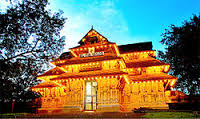
Wednesday, 6 March 2019

Thekkethara Kshethra Bharana Samithi, Akathethara


The temples in Thekkethara on Palakkad-Malampuzha route are more than 150 year’s old. Main deities here are Vettakkorumakan(Lord Shiva), Chathamkulangara Bhagavathi and Mahaganapathi.  Apart from them there are Lord Ayyappan, Navagrahas and Naagar as Upadevatas.
The temple was under the governance of Palakkad Raja Sekhari Varma for many years.  Now the governing body is a committee of devotees, selected by all the devotees who are staying nearby these temples, and headed by the trustee Shri. T.Vinayakumar.  

The pujas of these temples are based on “Shivagama” under the instructions and guidance of the temple”Thanthri” Hon.Sivashri.Ganesh Shivacharyar.  “KARTHIKA VELA” is the main Festival of this of this temple.  Other festivals celebrated are Navarathri, Shivarathri, Sreekrishna Jayanthi, Thaipooyam, Madhurachatti Pongal.


“Swayamvara Puja”, “Vidya Puja”, “Sankatahara Chaturthi Puja”  are the most popular pujas of this temple. 


In 2005 these temples are reconstructed and done “Kumbhabhishekam”by spending more than rupees 40 lakhs.  Recently by 2017 we have done the second Kumbhabhishekam lso by the kind co-operation of all the devotees of this temple.

Sunday, 17 February 2019

Sree Chamravattam Ayyappa Temple

http://www.chamravattamayyappatemple.in/

Believed to have been constructed by Perumthachan, a master craftsman and a legendary sculptor, this temple is a famous Sastha temple which is about 12-15 km from Tirur on the shores of Bharatha Puzha(Nila river) The temple can also be reached by a ferry from Ponnani village . What makes this temple so beautiful is the river Bharathapuzha that flows behind this shrine and the vast expanses of paddy fields indicating the rich agrarian culture. 

In Chamravattom temple the God is consecrated at the level of the river though the temple is in slightly higher grounds. During rainy season , the flood water enters the temple and sub merges the idol. There are several stories and folk lores which describe the power of this God, popularly called as "Chamravattathappan". It is assumed that the Thamarakulangara Sastha temple near Tripunithura is an extension of this temple.


Actual year of construction of the temple is unknown. Historians are of opinion that there was a Jain temple situated somewhere near this place. We can see some clay models of animals like dogs, lions etc. scattered on the underground of the river and banks as evidences.

The main puja of the temple is performed by Ooralan. There is no dhoopam, deepam and use of bell during the pujas of the temple. There is no yearly festival (Utsavam)here but Aarattu (holi bath of diet) is there. In other temples at the end of utsavam, idol of the deity is carried to a water body. But here the water level of the river rises in rainy seasons and water rush to the shrine. When the Prathishta immerses in water then it is considered Aarattu here. 


Festivals
  • The main festivals of the temple is during the season of Mandalam. Especially the last 11 days. ( 1st to 11th of Malayalam month dhanu ). There will be a chuttuvilakku during the ezhunnallippu but elephants are not used here. 
  • Other important day is PRATHISHADINAM. It is celebrated on anizham of the malayam month makaram. On that day, there will be Navakam - Offering done with nine pots of dravyam(liquids) with extensive pujas
Pujas and specialities
  • People believe that worshipping God Sastha in Chamravattom on Saturdays would help them get rid of the evil effects of the bad times caused by the planet Saturn.
  • Nherippetta Tharppanam:  Devotees offer this to cure skin diseases 
  • Another special offering conducted from pooyam of Malayalam month makaram to visakham of the month idavam. It is believed that chamravattathayyappan has a power to control rains. People drop coconut in bharathappuzha as their offering to this deity during this rainy season. 
  • Chathushatham ( porridge of four materials coconut, rice, jaggery, & kadalipazham)
  • Panapayasam  
  • Chuttuvilakku (lighting of the Sanctum)

Thursday, 7 February 2019

Alathiyoor Perumthrikovil - the Rama temple where devotees come to pray to Hanuman

The Alathiyoor Perumthrikovil temple is special to its devotees for many reasons. Sri Rama is the Presiding deity here. The daily puja-rituals, offerings by devotees, and the spectacular annual temple festival – all are held in honour of the presiding deity, Sri Rama.  However, the devotees popularly refer to this temple, the ‘Hanuman Kavu’ temple. And, in a way, it symbolizes the triumph of the supreme strength of Bhakti of Sri Hanuman as an ideal, which overshadows the presiding deity, Lord sri Rama.

Here, Sri Rama is visualized as the Maryada-Purushothaman- he is separated from his beloved consort, Sita, by the mighty Ravana who has abducted her to Lanka. Sri Rama is seen entrusting Hanuman the possible task of locating the whereabouts of Sita.  Sri Rama confides to Hanuman about how to look out  for Sita in Lanka. Hanuman, had  to cross the vast and formidable sea,  that separates Lanka from the main land. Thirty three crore Gods  gathered to witness this significant act. It is an act in which the Avatara-purush Sri Rama seeks the assistance of his bhakta, Hanuman.  All the Gods bestowed Hanuman with their enormous strength, so that he succeeded in his mission.  For Hanuman, this is a very significant moment, and hence, his pre-eminence at Alathiyoor.


The unique posture of Hanuman in the temple

The temple of Sri Hanuman is adjacent to the main temple of Sri Rama. Sri Hanuman stands leaning a little towards the left, to hear his master’s words.  Sri Rama is confiding in Hanuman the cue-word ( Abhignana Vaakyam ) that would enable him to gain the confidence of Sita. Hanuman has a mace in his hand. The numerous Gods bestowed their enormous power on Sri Hanuman.  He is all set to accomplish his mission, which is seeking the whereabouts of Sita. Here he is the personification of divine strength, confidence, concentration of purpose, Bhakti, and above all humility.  He is the symbol of supreme self-sacrifice.  He seems to be assuring Sri Rama: “Your wish is my command”.  Devotees of Hanuman throng to this temple to make their wishes and be heard by the mighty Hanuman.

There is a platform to commemorate Sri Hanuman’s mighty leap to Lanka over the sea. There is a long granite stone at one end of this platform and it symbolizes the sea. Devotees com running and leap over this long stone. By doing this, auspicious impact is expected especially for the better health and life of children.
The Anjaneya temple was established by sage Vasishta in Alathiyur, Kerala. The temple's  history is based on the epic of the Ramayana. In the sanctum sanctorum, Sri Rama appears alone  without  Mother Sita. Sri Hanuman graces in the other shrine  as listening to the Sri Rama telling him how to identify the mother Sita,  to help him to spot her without any doubt. Devas contributed all their might to Hanuman to enable him to succeed in his mission.  The idol of the Sri Lakshmana is established a little far away, that he would not disturb the privacy between Rama and Hanuman when the former was narrating  some past incidents to Hanuman to identify mother Sita.
Sri Hanuman is a staunch follower of the Sri Rama who dedicated his service to Rama only. He expected nothing in return for his services in searching Mother Sita.  He was the abode of all the noblest divine qualities coupled with an unparallel physical and mental prowess to conquer any situation of any gravity.  But he himself was not aware of his extraordinary capabilities.  He never spoke to anybody about his powers but simply felt and said that he was born for the service of Sri Rama.  He was only saying that he was the last servant of the lord. The interesting thing to be noted,  is that,  Sugriva got back his kingdom for the service he rendered to the Lord.  Angatha was nominated as the heir-apparent of Kishkinda.  Vibishana was crowned as the king of Lanka. Hanuman expected nothing. He respectfully declined to accept the pearl chain offered to him by Mother Sita.  Sri Rama could not find anything that would be a fitting reward to him.  Rama finally asked him to embrace him and blessed him eternity. Hanuman was born on the new moon day. Worshipping him on this day brings immense benefits to the devotees.

Popular pujas here

Panchasara payasam
Kadalipazham
Thiruvona puja
Thiruvona Oottu
Neivilakku

Avil (rice flakes with jaggery and other ingredients) is the most important present here. The belief is that if one pray for a wish then upon the fulfilment the devotee is supposed to offer this to the temple. This is the most popular puja here and that shows experience and belief of devotees in this temple.

Temple authorities have transformed he temple to use the latest technologies to  help devotees pray and do their offerings from anywhere in the world through their website http://www.alathiyoorhanumankavu.in  and more and more devotees are using it everyday

- Article contributed by Alathiyoor Perumthrikkovil temple

Sunday, 13 January 2019

Sukapuram Dakshinamoorthy Temple


http://www.dakshinamoorthytemple.in


Sukapuram Dakshinamoorthy Temple is located in Edappal Taluk in Malappuram District of Kerala. This is one of the thirty two villages established by Parasurama. Once upon a time the village was the abode of Brahmin Scholars. It is famous for its Shree Dakshinamoorthy Temple, believed to have been established by the great Hindu Rishi Suka. The temple is dedicated to Dakshinamoorthy (Sivan).The Temple Festival in January with its elephants and percussion are famous. This temple has four inscriptions of the Chera period.

Dakshinamoorthy literally means 'one who is facing south (Dakṣhiṇa)' in Sanskrit. South is the direction of death, hence change. Perhaps, of all Hindu Gods, he is the only one sitting facing south. The temple management is now taking steps to renovate and add facilities for devotees across the world. Devotees can now book pujas online at their website. 

Popular pujas
     - Chathushatham
     - Udayasthamana puja

     - Kadalipazha Nivedhyam


Monday, 7 January 2019

Ezhipuram Bhagavathy Temple


www.northezhipurambhagavathytemple.com/


Popular Puja

Karthika puja
Karthika oottu
Devotees can now book pujas online at temple's website

About Temple
It is believed that North Ezhipuram Bhagavathy temple was created by Lord Parasurama and it is 16th among the 108 Durga devi Temples.  The shreekovil,(the place of the idol enshrine)of this temple has 40 feet height and the walls are made of laterite and attractive beautiful sculptures completed on it.  It is really arare view that Can be seen only here on the walls of this temple. 
The Devotees of Goddess Bhagavathy believes that Deep Prayer and worship can achieve good result and the blessing may be showered on her devotees.  Goddess Bhagavathy is a very pleasent and merciful on appearance and knows the real needness of the devotees, thus solved all our problems.  She provides children to childless couples.  By the grace of Goddess Bhagavathy, marriage obstrucles of boys and girls are removed and blessings are poured up on them those who keep mindful faith in her.  It was noted from the history of this temple that Shree Shankarachaya, Shakthan Thamburan and Vilwamangalam, the great saints had visited this temple a long time ago.


Wednesday, 2 January 2019

Know more about Pujas - Shathrusamhara Puja


Literally this puja means an offering to God for eliminating our enemies. However it is commonly misunderstood as a puja to protect a person from their enemies (physical). Whereas the actual purpose of this puja is to eliminate enemies within.  

Each human being has 6 possible enemies in him/her. Kaamam(lust), krodham(anger), lobham(greed), moham(desire), madam(pride), matsaryam(competition). Collectively called “Shadvairikal” , each of these feeling can overcome a person and become an enemy. If any of these feelings start influencing a person he/she starts having enemies or a feeling of animosity towards others. Sathrusamhara puja is praying to God in bestowing us with the strength and power in overcoming the bad influence of these “Shadvairikal” and making ourselves aware of the enemy in us so as to attain the inner peace.


- Contributed by Dr Indira Parakkat (drpindira@gmail.com)

Sunday, 6 May 2018

ക്ഷേത്രോത്സവങ്ങൾ

ക്ഷേത്രോത്സവങ്ങൾ, നടക്കുന്ന തട്ടകത്തിനു മുഴുവൻ ശ്രയസ്കരമായി തീരുന്നതാണ്. അവിടെയുള്ള ജനഗണങ്ങളെല്ലാം ഏതെങ്കിലുമൊരു വിധത്തിൽ ഉത്സവത്തിൽ പങ്കു ചേരും...... ദൂരദേശങ്ങളിലേക്ക് പോയവർക്ക് തിരിച്ചു വരാനുള്ള പിൻവിളിയാണ് ഉത്സവങ്ങൾ.. മറ്റെല്ലാ വ്യത്യാസങ്ങൾക്കുമപ്പുറത്തുമുള്ള ഒത്തുചേരലാണ് ഉത്സവം....

  പതഞ്ഞു പൊങ്ങുന്നത് എന്നാണ് ഉത്സവത്തിന്റെ വാച്യാർത്ഥം.
ക്ഷേത്ര ശ്രീകോവിലിനുള്ളിലെ ബിംബത്തിൽ നിന്ന്, ഉത്സവ ചടങ്ങുകളുടെ ഫലമായി ചൈതന്യം തട്ടകത്തിലാകെ വ്യാപിക്കുമെന്നാണ് ഉത്സവത്തിന്റെ വിശ്വാസം

"ആചാര്യ തപ സാമ്നായ ജപേന നിയമേന ച
ഉത്സവേന ന്നദാനേന ക്ഷേത്ര വൃദ്ധിസ്തു പഞ്ചേധ"

ക്ഷേത്ര ചൈതന്യത്തിന്റെ അഭിവൃദ്ധിയ്ക്ക് പ്രധാനമായും അഞ്ച് ഘടകങ്ങളാണ് ഉള്ളത്.അതിൽ നാലാമത്തേതാണ് ഉത്സവം
1.ദേവ സാധന നടത്തുന്ന ശാന്തിക്കാരന്റെയും തന്ത്രിയുടെയും തപ:ശ്ശക്തി
2. വേദങ്ങളുടെ മുറജപം
3. വേണ്ട അളവിൽ നല്കുന്ന നിത്യനിദാനം
4. ഉത്സവം
5. ദാനങ്ങളിൽ മഹാദാനമായ അന്നദാനം

        ക്ഷേത്രങ്ങളിലെല്ലാം ഈ അവസരത്തിൽ എങ്ങിനെയെങ്കിലും എത്തിച്ചേരാൻ ഭക്തജനങ്ങൾ ശ്രമിക്കാറുണ്ട്.തലമുറകളെ ബന്ധിപ്പിക്കുന്ന ഉപരിതല സ്പർശിയായ ഒരു ഭാവവും ഉത്സവങ്ങൾക്ക് ഉണ്ട്. നാട്ടുകാരെ, ബന്ധു ജനങ്ങളെ, സൗഹൃദങ്ങളെ ബന്ധിപ്പിക്കുന്ന നാളുകളാണ് ഉത്സവ ദിനങ്ങൾ....

വർഷങ്ങളുടെ പഴക്കമുള്ള ക്ഷേത്രകലകളും
ഭാരതീയ പാരമ്പര്യ - ക്ലാസ്സിക് കലകളും ആധുനിക സ്റ്റേജ് ഷോകളുംDJ പോലുള്ള പരിപാടികളും എല്ലാം ഉൾക്കൊള്ളുന്നതാണ് ക്ഷേത്ര ഉത്സവങ്ങൾ...അങ്ങിനെ എല്ലാം കൂടിച്ചേരുമ്പോഴാണ് ഉത്സവം പൂർണ്ണമാവുന്നത്

Sunday, 22 April 2018

Thrissur Pooram 2018


പൂരങ്ങളുടെ പൂരമായ തൃശൂർ പൂരത്തിന് ഇനി നാല് രാപ്പകലുകൾ.
തിരുവമ്പാടി ക്ഷേത്രത്തിലും പിന്നെ പാറമേക്കാവിലും  കൊടി ഉയരുന്നതോടെ പൂരനാളിനു വേണ്ടിയുള്ള കാത്തിരിപ്പാണ്. 

23-04 2018  തിങ്കളാഴ്ച്ച ആനച്ചമയങ്ങളായ കോലം നെറ്റിപ്പട്ടം ആലവട്ടം വെഞ്ചാമരം കുടകൾ എന്നിവയുടെ പ്രദർശനവും സാമ്പിൾ വെടിക്കെട്ടും നടക്കും.
25.04.2018 ബുധനാഴ്ച ലോകപ്രസിദ്ധമായ വെടിക്കെട്ടും 26 ന് പകൽപ്പൂരം  

200 വർഷങ്ങളുടെ ഓർമ്മപ്പെരുക്കങ്ങളുണ്ട് തൃശൂർ പൂരപെരുമയ്ക്ക്.108 ക്ഷേത്രങ്ങളിലെ പൂര വരവുകൾ പങ്കെടുത്തിരുന്ന ആറാട്ടുപുഴ പൂരത്തിലേക്ക് 200 വർഷങ്ങൾക്കു മുൻപ് പെട്ടെന്നുണ്ടായകാറ്റും പേമാരിയും കൊണ്ട്പാറമേക്കാവ്,  ചെമ്പൂക്കാവ്കാരമുക്ക്ലാലൂർഅയ്യന്തോൾചൂരക്കാട്ട്കാവ്നെയ്തലക്കാവ്കണിമംഗലം ദേശക്കാരുടെ വരവ് പൂരങ്ങൾക്ക് പങ്കെടുക്കാനായില്ലഅതോടെ അവരെ ആറാട്ടുപുഴ പൂരത്തിൽ നിന്ന് ഭ്രഷ്ടരാക്കി. 
ഇതറിഞ്ഞ കൊച്ചി രാജാവ്സാംസ്കാരിക തലസ്ഥാനത്തിന്റെ ശില്പി എന്നറിയപ്പെടുന്ന രാമവർമ്മ ശക്തൻ തമ്പുരാൻ വടക്കുംനാഥ ക്ഷേത്രത്തെ കേന്ദ്ര ബിന്ദുവാക്കി ചുറ്റുമുള്ള തേക്കിൻകാട് വൃത്തിയാക്കി തൃശൂർ പൂരത്തിന് തുടക്കം കുറിച്ചു. മേടമാസത്തിലെ പൂരം നക്ഷത്രത്തിൽ
ഇന്ന്കുടമാറ്റംഇലഞ്ഞിത്തറമേളംപൂരപ്പുറപ്പാട്മഠത്തിൽ വരവ്തെക്കോട്ടിറക്കംവെടിക്കെട്ട് ഇങ്ങിനെ എല്ലാ പൂരച്ചടങ്ങുകളും ലോകം മുഴുവൻ പ്രസിദ്ധമാണ്തൃശൂർ നഗരമദ്ധ്യത്തിലെ വടക്കുംനാഥ ക്ഷേത്രവും ചുറ്റുമുള്ള 65 ഏക്കറിൽ പരന്നു കിടക്കുന്ന തേക്കിൻകാട് മൈതനവുമാണ് പൂരപ്രദേശംകുടമാറ്റത്തിലും വെടിക്കെട്ടിലും തിരുവമ്പാടി പാറമ്മേക്കാവ് ദേശക്കാരാണ് പങ്കെടുക്കുക.
ലാലൂർ കാർത്യായനി ക്ഷേത്രംകണിമംഗലം ശാസ്താ ക്ഷേത്രംപൂക്കാട്ടിക്കര കാരമുക്ക് ഭഗവതി ക്ഷേത്രം ചൂരക്കാട്ടുകര ഭഗവതി ക്ഷേത്രംകുറ്റൂർ നെയ്തലക്കാവ് ഭഗവതി ക്ഷേത്രംഅയ്യന്തോൾ കാർത്യായനി ക്ഷേത്രംചെമ്പൂക്കാവ് ഭഗവതി ക്ഷേത്രംപനമുക്കും പിളളി ശാസ്താ ക്ഷേത്രം എന്നിവിടങ്ങളിൽ നിന്നുള്ള പൂര വരവുകളും ഇവിടെ എത്തിച്ചേരും.
പൂര ദിവസത്തെ സൗകര്യങ്ങൾ 
കോഴിക്കോട്ചാവക്കാട് ,ഗുരുവായൂർ റോഡുകളിലൂടെ വരുന്നവർക്ക് MG റോഡ് വഴി പടിഞ്ഞാറേ നടയിൽ എത്തിച്ചേരാംഷൊർണ്ണൂർഒറ്റപ്പാലംവടക്കാഞ്ചേരി ,തിരുവില്വാമല ഭാഗത്തുള്ള റോഡുവഴി വരുന്നവർ ഷൊർണ്ണൂർ റോഡുവഴി വടക്കേനടയിൽ എത്തിച്ചേരാം മണ്ണുത്തി ദേശീയ പാതയിലൂടെ വരുന്നവർ കോളേജ് റോഡ് വഴി കിഴക്കേ നടയിലെത്തിച്ചേരാം തൃപ്രയാർ ,ഇരിങ്ങാലക്കുട ,കൊടുങ്ങല്ലൂർ ഭാഗത്തുനിന്ന് തെക്കെ നടയിലേക്കും എത്തിച്ചേരാംഇരുചക്രവാഹനങ്ങൾക്ക് പാർക്കിംഗ് സൗകര്യം തിരുവമ്പാടി ക്ഷേത്രത്തിനടുത്തും ശക്തൻ തമ്പുരാൻ ബസ് സ്റ്റാന്റിനടുത്തുംതൃശൂർ റെയിൽവേ സ്റ്റേഷനിലും ഉണ്ടാവുംവാഹനങ്ങളുടെ ബാഹുല്യം പരിഗണിച്ച് നേരത്തെ എത്തിച്ചേരുന്നവർക്ക് സൗകര്യങ്ങൾ കുതൽ ഉപയോഗയോഗ്യമാവും. കാറുകൾക്കും മറ്റും റെയിൽവേ സ്റ്റേഷനിലെയും ശക്തൻ സ്റ്റാന്റിലെയും പാർക്കിംഗ് സൗകര്യങ്ങൾ ഉപയോഗപ്പെടുത്താംഹോട്ടൽ പത്താനിൽ നിന്നാൽ കുടമാറ്റവും ഹോട്ടൽ എലൈറ്റിൽ നിന്നാൽ വെടിക്കെട്ടും ഹോട്ടൽ സമ്പൂർണ്ണയിൽ നിന്നാൽ മഠത്തിൽ വരവും നന്നായി കാണാനാകും 
തൃശൂർ കോർപ്പറേഷന്റെ സഹകരണത്തോടെ 50 വർഷത്തിലേറെയായി നടന്നു കൊണ്ടിരിക്കുന്ന പൂരം എക്സിബിഷനും പ്രധാന ആകർഷണമാണ്. 5 ലക്ഷത്തിലേറെ ആളുകൾ ഇവിടുള്ള സ്റ്റാളുകൾ സന്ദർശിക്കാറുണ്ടത്രെ.

Wednesday, 22 February 2017

Maha Shivarathri

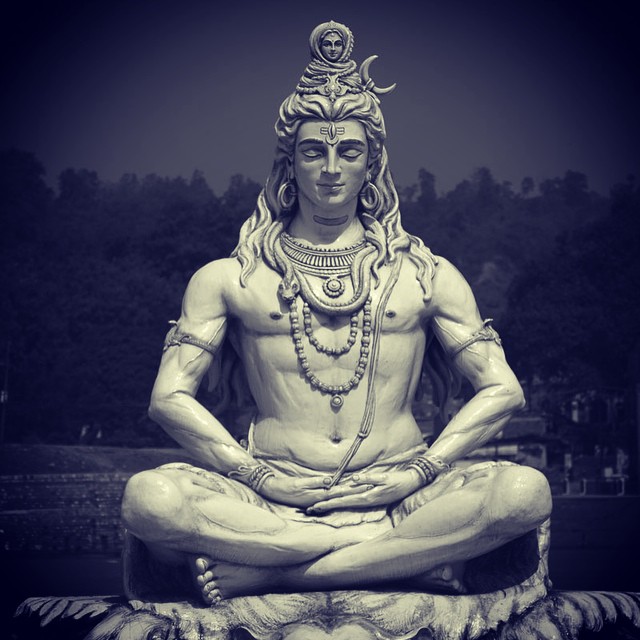
Mahashivratri, which means “The Great Night of Shiva” is the most significant event in India’s spiritual calendar. Mahashivratri is the day to recognize the Shiva Tattva and go deep within. This year Maha Shivarathri falls on 24th February, Friday.


In our tradition, Shiva is seen in many forms as the enigmatic, non-perceivable Ishwara; the auspicious Shambho; disarmingly naïve Bhola; Dakshinamurthy, the great master and teacher of the Vedas, Shastras and Tantras; the easily forgiving Ashuthosh; Bhairava, the one tainted with the very blood of the creator; Achaleshwara, the absolute stillness; the most dynamic of dancers, Nataraja – as many aspects as there are to life, that many aspects have been offered to him.In the yogic tradition, Shiva is not worshiped as a God. He is the Adiyogi, the first Yogi, and Adi Guru, the First Guru from whom the yogic sciences originated. The word “Shiva” literally means “that which is not.” That which is, is creation. That which is not, is Shiva.

Shivaratri Celebrations in India are marked with devotion and religious fervor. Joy is written large on the faces of millions of Lord Shiva devotees as they start preparing for the biggest Lord Shiva festival in advance. Celebrations of Shivaratri begin with the break of the dawn on the Shivratri day and continue all though the night. Devotees observe fast and spend the day in devotion and worship of Lord Shiva.Devotees also participate in the jaagran or the night vigil organized in various Shiva temples across the country. Devotees believe that sincere observance of Shivaratri puja and all night worship of Lord Shiva will absolve them of all their sins and liberate them from the cycle of birth and death. 

To offer pujas and abhishekams to Lord Shiva on the auspicious MahaShivarathri, please visit: http://www.devaayanam.in/List 

Significance of Mahashivarathri:

The fourteenth day of every lunar month or the day before the new moon is known as Shivratri. Among all the twelve Shivratris that occur in a calendar year, Mahashivratri, the one that occurs in  the month of Kumbh or February-March is of the most spiritual significance. On this night, the northern hemisphere of the planet is positioned in such a way that there is a natural upsurge of energy in a human being. This is a day when nature is pushing one towards one’s spiritual peak. It is to make use of this, that in this tradition, we established a certain festival which is nightlong. To allow this natural upsurge of energies to find their way,one of the fundamentals of this nightlong festival is to ensure that you remain awake with your spine vertical throughout the night.

Mahashivratri is very significant for people who are on the spiritual path. It is also very significant for people who are in family situations, and also for the ambitious in the world. People who live in family situations observe Mahashivratri as Shiva’s wedding anniversary. Those with worldly ambitions see that day as the day Shiva conquered all his enemies.But, for the ascetics, it is the day he became one with Mount Kailash. He became like a mountain – absolutely still.That day on Mahashivratri, all movement in Him stopped and he became utterly still, so ascetics see Mahashivratri as the night of stillness.

Shivratri is to remind us that we are Shiva. That is why we say, "Shivoham, Shivoham", which means 'I am Shiva, I am that principle, I am the truth, eternity, beauty, and benevolence'. Shivratri is an occasion to remember this.

Legends related to Mahashivarathri:

The legend of marriage of Shiva and Shakti is one the most important legends related to the festival of Mahashivaratri. The story tells us how Lord Shiva got married a second time to Shakti, his divine consort.The night on which the divine union of Shiva and Shakthi is observed as the Maha Shivarathri.

According to another version of the legend, Goddess Parvati performed tapas and prayers on the auspicious moonless night of Shivaratri to ward off any evil that may befall her husband. Since then, womenfolk began the custom of praying for the well being of their husbands and sons on Shivaratri day. Unmarried women pray for a husband like Shiva, who is considered to be the ideal husband.

Observance:

Shivratri day is celebrated with Rudrabhishekam (singing of the ancient Vedic mantras, which is accompanied with a ceremony of washing the Shiva Linga with milk, curd, honey, rose water, and other auspicious offerings). 
The night on this day—when the constellations are in a particular position—is very auspicious for meditation. And so, it is very useful for people to keep awake and meditate on Shivratri.


Wishing everyone a blissful Maha Shivarathri!


Information Courtesy: http://isha.sadhguru.org/blog/

Tuesday, 17 January 2017

Know your Puja - Abheeshta Sidhi Puja at Sree Varahamoorthy Temple,Panniyoor, Palakkad

At Panniyur Sri Varaha Murthy Temple,one of the  most important puja offering to the Sri Varaha deity is the ‘Abheeshta Sidhdhi Puja’. 

This puja is  believed to pave way for ‘Abheeshta Karya Sidhdhi’or fulfilment of one's wishes.The Abheeshta sidhi puja has to be performed in the name of any dear or near ones whose  realisation of wishes we pray to come true, so it's not offered by devotee for himself/ herself. This puja is done on the chosen day at morning and evening. Devotees an collect the Payasa prasadam after the Puja or arrangement can be made to send it to their postal address, Devotees believe that when in peril, if one utters the words ‘Varahamurthy Rakshikane’ (save me, Varahamurthy) thrice, Shri Varahamurthy would rescue one from all impending perils and dangers.

This puja is already booked in advance till a long time into the future. Yet with due consideration to those who visit this temple or book online, 3 days in a week have been earmarked for  the conduct of this puja immediately or as soon as can be managed .

Know your Puja - Neerajanam

Neerajanam is one of the most important offering made to Lord Shani. Sachets of Thil (Sesame Seeds or Ellu) and raw rice (other than boiled) are dipped in sesame oil and kept inside a coconut. Coconut pieces are placed in a plate of raw rice. These sachets are then lit in front of Lord Ayyappa or Lord Sani preferably on Saturdays to ward off evil effects of Shani graha.

It is believed that Lord Ayyappa has his divine control over Lord Shani. According to Hindu astrology, Shani or Saturn is one among the planets. People who believe in astrology and horoscope always think about that the position of Shani on their horoscope which they believe can cause misery to their life.Devotees try to get rid of Shani Dosha by conducting Ayyappa Bhajans. By worshipping Lord Ayyappa it is believed that  Ashtama Shani, Kandaka Shani, 71/2 Shani and fear will all be removed from ones life. To get rid of the evils of Shani (Shani dosham) devotees offer Neerajanam to Ayyappa on Saturdays.

Team Devaayanam

Thursday, 12 January 2017

Makara Sankranthi


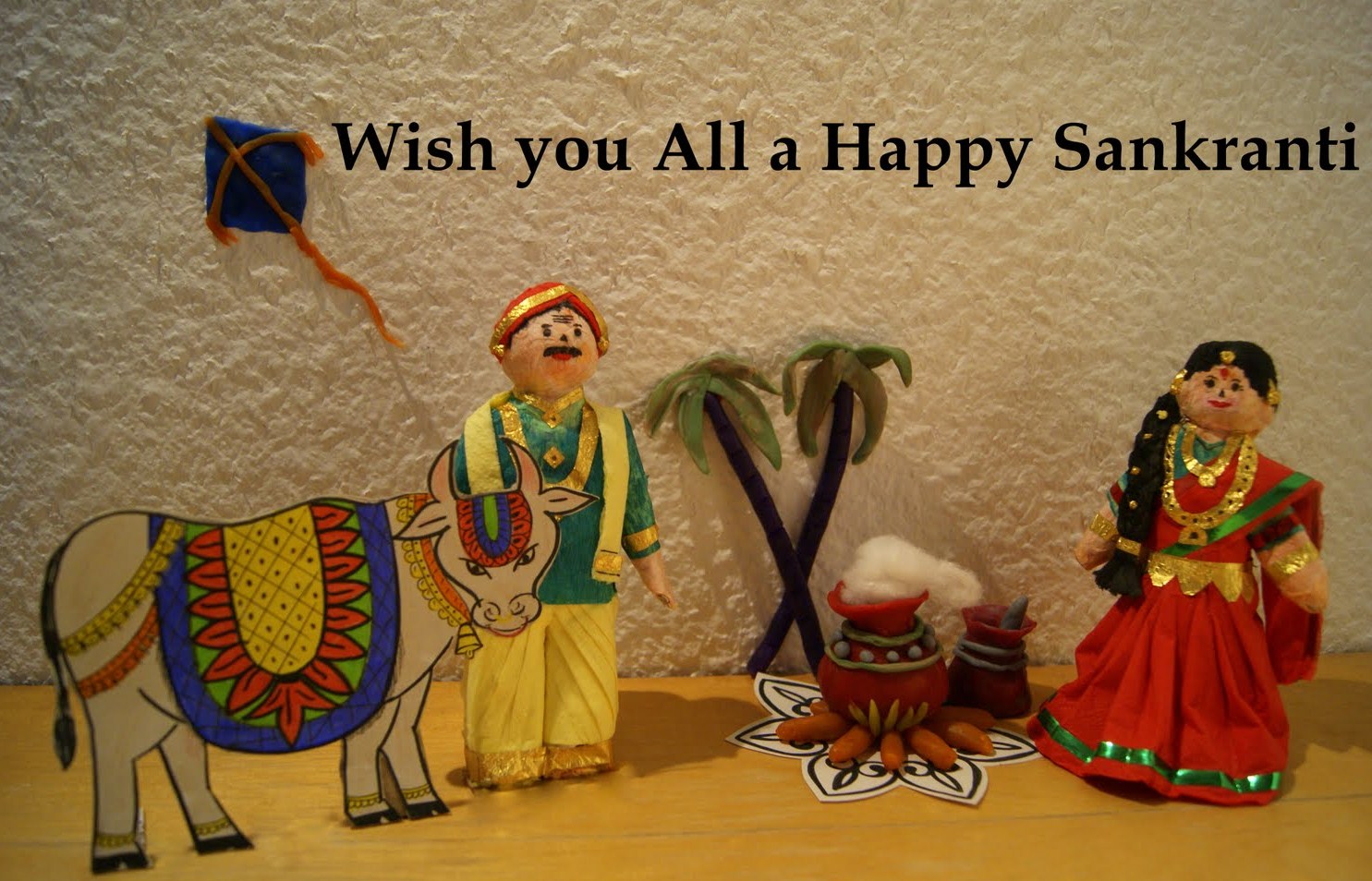
Makara Sankranti marks the transition of the sun into the zodiacal sign of Makara (Capricorn) on its celestial path, which is the first change in the zodiac after the winter solstice and is the first day of the month of Magha or Makara.

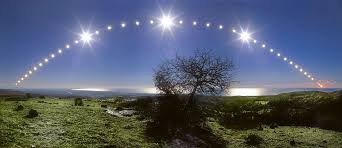
Makar Sankranti is celebrated as a very important festival in India. Sankranti literally means “movement.” Everything that we recognize as life is movement.The significance of the Makar Sankranti festival is that it marks the day where there is a significant movement in the zodiac – the arrangement of the earth’s dial around the sun – and this movement brings about a new change in the way we experience the planet itself. There are many sankrantis through the year; the two significant ones being Makar Sankranti, and right opposite, after summer solstice is Karkataka Sankranti. In between, there are many Sankrantis – every time the zodiac sign changes, it is called a Sankranti to suggest the movement of the planet, to understand that our life is sustained and nourished by this movement. If this movement ceases, everything about us will cease. On the 22nd of December, the winter solstice happened, that means in relation to the sun, the movement or the tilt of the planet reaches its maximum. Now, from this day onwards, the northern movement is strong. Things really start changing upon the earth.The Sun’s run in relation to planet Earth will shift from the southern run to the northern run – from Dakshinayana to Uttarayana.


What is happening in terms of celestial arrangement is that on the winter solstice on December 21, the sun was over the Tropic of Capricorn. From that day, if you watch the sunrise and the movement of the sun, slowly, every day it will shift to the north.

Capricorn is a sign of Saturn. On the day of Makar Sankranti, sun enters into the sign of Saturn.Sun God is considered the father of Saturn.Saturn and Sun,whose auspicious blessings can make humans achieve great success, are worshipped on this day.

Grace of uttarayana:

People who have been spiritually aware have always identified this transition as a possibility for human consciousness to blossom. Particularly, the first half of Uttarayan until the equinox in March is a period where the maximum amount of grace is available. The human system is more receptive to grace at that time than any other. History clearly indicates that the maximum number of people have attained in this phase of the sun in the Northern Hemisphere.

The religious scripture, “Gita” which is known as the voice of Lord Krishna, illustrates that six months of Uttarayan is the day time of deity.
And, the 6 months of Dakhshinayan is the night for Gods. It is believed that person who scarifies his body(dies) in Uttarayan get a position in ‘Krishna Lok’. That person gets liberation, whereas, the one who dies in Dakhshinayan, has to be reborn.

One of the most famous stories is of Bhishma waiting on his deathbed of arrows for many weeks. Though he was severely injured, he held onto his life until Uttarayan came because he wanted to make use of this transition in nature, to make his own transition possible. Gautama also attained on the third full moon day after Uttarayan. And in South India, there are examples of innumerable saints, sages, siddhas and yogis who have made the transition during this period.

The Harvest Festival:

The Makar Sankranti festival is also known and referred to as the harvest festival because this is the time when harvesting is complete and there are big celebrations.This is the day we acknowledge all those who assisted in making the harvest including The Sun and farm animals. Makara Sankranti is celebrated in many parts of South Asia with some regional variations. It is known by different names and celebrated with different customs in different parts of the region.In Tamil Nadu it is called Pongal. In Assam it is celebrated as Magh Bihu and Bhogal Bihu. In states of Punjab and Haryana it is celebrated as Lohri festival. In Uttar Pradesh it is celebrated as Khichdi or Donation festival. In Bihar it is known as Til Sankranti or Khichdi festival. In Kerala, the Makara Jyothi Dasrhan or Makara Vilakku at Lord Ayyappa Temple, Sabarimala attracts lakhs of devotees from all over India.

So Makar Sankranti is a festival to recognize the movement, movement being celebration, movement being life, movement being the process of life and the beginning and the end of life. Wishing you a radiant year ahead!

Monday, 5 December 2016

Thrikkarthika


The auspicious Thrikkarthika  Festival falls on December 12, 2016.


Thrikkarthika or  Karthikai Deepam Festival is a grand Festival of Lights. The festival is observed in most Hindu homes and every temple of Tamil Nadu and Kerala, and falls in the month of Vrishchikam. This occurs on the day when the moon is in conjunction with the constellation Karthika(Pleiades) and Pournami. This constellation appears as a group of six stars in the firmament in the shape of a pendant from the ear.

Keralites celebrate the festival of lights literally on 'Thrikkarthika day', rather than Deepavali. In the month of Vrichikam(Nov-Dec), Karthika day which mostly falls on the full moon day is celebrated as Thrikkarthika. As usual the celebration includes a feast with sweets, visiting nearby temples in morning and evening especially Devi Temples.  Some people believes it is a celebration for the  killing of  demon "Narakasura' but most of the people believes this day as the birth day of Goddess 'Karthyayani Devi'. 

Usually on Thrikkarthika day no crackers are lighted but the highlight is given for devotion. In Many parts of Kerala people do not even make a feast on this day but make rice soup(Kanji) with 'Karthika Puzhukku'(A vegetable preparation of a mixture of several underground stems ). In the evening each and every Hindu home is illuminated with small earthen oil lamps in the  lawn,on the walls, on the terrace, in the pooja room, on the steps and in each and every corner and it will be a beautiful sight. Almost all Devi Temples in Kerala will also be decorated with thousands of lighted small oil lamps. 
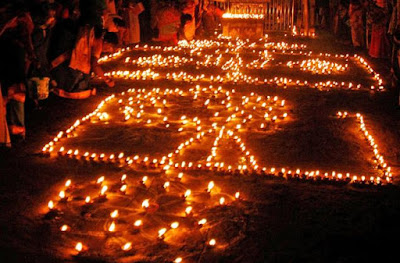

The lighting of the lamp is significant because in our visual experience, it is light which makes us see. It plays a significant role in our perception of the world around us. If there is no light, there is no experience of anything around us. Like Diwali, Thrikarthika’s message is also the same – victory of dharma. So, people are lighting traditional lamps known as ‘Chirad’ made of clay in their homes and temples at evening twilight. Actually children are more interested in lighting lamps than elders. Lamp is known as ‘Vilakk’ in both Malayalam and Tamil and hence lighting lamps on Karthika day of Vrischikam month is known as Karthika Vilakk.

Many legends and lyrical poetry have grown around Karthika star. The six stars are considered in Indian mythology as the six celestial nymphs who reared the six babies in the saravana pond which later were joined together to form the six faced Muruga. He is therefore called Karthikeya, and in Tamilnadu, this day is celebrated as Lord Muruga's birthday. As the six nymphs helped in growing the six child, lord shiva blessed immortality to the six nymphs as ever living stars on the sky. Any worship performed to this six stars is equal to worshiping lord Muruga himself. They are worshiped by lighting up rows of oil lamps (Deepam) in the evening of the festival day around the houses and streets.

The Thrikkarthika day is the main festival day of several Devi temples of Kerala. The most importance is given to the Devi at 'Kumaranallur' of Kottayam District. Some people even refer to this day as 'Kumaranallur Thrikkarthika'.

Kumaranalloor Devi Temple:


The Kumaranalloor temple is situated in the Perumbaikad village of Kottayam Taluk. Located around 5 kilometers away from Kottayam town, the Devi temple has an interesting legend behind. The temple was originally intended for Kumaran (God Subramanian) but was occupied by Devi telling Kumaran-alla-ooru means the place is not for Kumaran and thus came to be called Kumaranalloor.

The Kumaranalloor Thrikkarthika festival is celebrated here in the month of Vrishchikam (November - December). The ten day festival starts with the hosting of holy flag (Kodiyettam) on the first day. Special poojas are conducted from second day onwards. There will be 'Arattu' (holy bath) of the idol in the nearby Meenachil River. The ninth day or the day 'Karthika' is the most important one. It is very special for Devi and the resplendent "deepakazcha" at the temple in the evening is a divine experience.

Chakkulathukavu Devi Temple:

Sree Chakkulathukavu Devi Temple, dating back to about 3000 years, is located at 'Neerattupuram' on the border of Patthanamthitta  and Alappuzha Districts of Kerala. 
Here the Devi - goddess is in swayambhu - self- manifested in the shape of Lingam.Thrikkarthika Festival' (the birthday of the goddess) in the Malayalam month of 'Vrichikam' is well celebrated on a grand scale in this temple. On this important day, the major attractions are 'Laksha Deepam' ( 100,000 oil lamps are light on the temple premises) and 'Karthika Pillar. The former is symbolic of spread of wisdom, prosperity and goodwill and  the latter refers to an event in which  Aricanut tree, decorated with plantain, straw, dry leaves, etc., is set on fire, symbolizing eradication of evil thoughts, negative elements from our mind.

On Thrikkarthika Day the 'Pongala Festival'  here is performed by lots of women devotees who light up oil lamps at the temple and in their houses. Women folks prepare Pongala (in Tamil Pongal) by cooking rice with Jaggery (Naattu sakkarai or Vellam) and grated coconut in earthen pots set in the open places near the temple and offer it to the goddess. The make-shift hearth is made of bricks and one can see lines of Pongala pots on the paths leading to the temple.

Vadakkunnathan Temple:

On the Thrikkarthika day in Vrischikam(November-December) morning poojas for Vadakkunnatha are conducted at the Southern compound wall.It is believed that on this day Lord Vadakkunnatha will sit on the compound wall looking Southwards to see his consort's (Kumaranalloor Kathyayani Devi) return procession after the Thrikkarthika Aarattu in Meenachil river. Vilwamangalam Swamiyar once visited this temple in the morning on Thrikkarthika day. He realized the absence of Vadakkunnatha inside the Sreekovil. So he went around and found the Lord on the compound wall. It was Vilwamangalam who started the pooja on Southern compound wall on Thrikkarthika day.


Kadampuzha devi temple:

The Karthika day in Vrischigam is celebrated as Pradishta day in Temple with Sudhi, Navakom, Panchagavyam, special kalasams etc on the auspices of the Thanthri of the temple. The Poomoodal and all special poojas on this day are performed by Devaswom directly. Unlike other temples, the Karthika deepam lightings are done in the early hours in the morning. There will be large scale Prasada Ootu to the devotees in specially put up vast pandal in temple compound from 10.30 am onwards which may extend to the evening. The number of devotees who attend this religious feast may well cross 15000. There will be special poojas and vadhyams particularly in Sree Madambiyarkavu, a Kiratha Moorthy Temple situated 2 km away from here. Due to the ceremonial connections the Karthika day poojas in this Temple are offered by Kadampuzha Devaswom.
  

Sunday, 4 December 2016

Guruvayur Ekadashi Festival

This year the auspicious Guruvayur Ekadashi falls on 10th December 2016.


The Sree Krishna Temple at Guruvayur, unmistakably one of most sought after places of worship in Kerala, is all set to celebrate its most popular festival – Ekadasi . And the festive mood has already set in at every nook and corner of this temple town.

Ekadasi, the eleventh day of every lunar fortnight, is very auspicious to the Hindus. Of the 24 Ekadasis in an year, the Vrishchika Ekadasi (Suklapaksha) has got special significance in Guruvayur. It falls in the Mandala season. The Navami (9th day) and Dasami (10th day) are also very important.One of the most important rituals associated with Guruvayur Ekadashi, is the lighting of Ekadasi Vilakku (lamps). "Ekadasi Vilakku" starts a month before the Ekadasi day as offerings by different persons, families and organisations. On Navami day, the Vilakku is lit with ghee as an offering by Kolady family. The Dasami Vilakku which used to be an offering of Zamorin Raja, is now conducted by Guruvayurappan Sankeerthana Trust. After the temple is open on this day for Nirmalya darshan ( 3.00AM ), it is closed only at 9.00 am on Dwadasi Day (12th day), thus allowing continues darshan for devotees throughout Dasami and Ekadasi Days. Until the temple entry for all Hindus in 1947, Avarnas (lower caste) were allowed to come up to Thiyyarambalam on Dasami day (in between Manjulal and Eastern Gopuram). On Dwadasi day there is a custom of offering a token amount called Dwadasi Panam in Koothambalam for the welfare of the family.

A highlight of the Ekadasi is the memorial honour for Gajarajan Kesavan . The Karanavar or head of the elephant family places a wreath at the statue of Kesavan in front of Sreevalsam guest house and all the other elephants stand around and pay obeisance. On Ekadasi day, the Udayasthamana Pooja (continuous pooja) is conducted by the Devaswom itself . After the morning seeveli, on Ekadasi there is a grant elephant procession to the Parthasarathi temple since it is regarded as Geethopadesam Day also. On Ekadasi after night pooja the famous Ekadasi Vilakku with elephant procession takes place and provides a fitting finale to the festival.

Some of the most popular occasions of Sree Krishna temple at Guruvayur also take place during this time of the year. The Guruvayur Kesavan Memorial Day, Chembai Music Festival, Narayaneeya Day and Kalabhattam are just some of the occasions during which several hundreds of devotees reach Guruvayur town. However, the Guruvayur Ekadasi Vratham tops the chart of all festivities. Every year, the jubilance is felt not alone in and around the Sree Krishna temple but across Guruvayur town which gets drenched in celebrations during the festival. 

Importance of Guruvayur Ekadashi:


Guruvayur Ekadasi is also observed as the Prathishta Dinam (installation day) of the temple. Though the temple is known as Sri Krishna temple, the idol made of Pathalanjana Sila, installed at the Sreekovil (sanctum sanctorum), is of Lord Mahavishnu.It is believed that on this day the idol was installed. It is also on this day Lord Krishna preached the Srimad Bhagavad Gita, to Arjuna in the battlefield of Kurukshetra at Mahabharata Yudha (Mahabharata War) as per Malayalam calendar.

Another legend says that once when Lord Maha Vishnu visited the abode of Yama, he heard heart rending cries of people tortured for their sins. The Lord wanted to save them from more suffering and uttered the word Ekadasi. The very mention of the word removed all their sins. Observance of Ekadasi is believed to have a purifying effect. It is believed that the sins of a life time are washed away if one happens to see the Guruvayur Ekadasi Vilakku (festival of lights). Legend says that on Guruvayur Ekadasi, Lord Indra comes with Kamadhenu and gives all material wealth and offers worship to receive Sri Krishna's blessings. On that day all the theerthas such as Kasi, Badri, Sabarigiri and Palani in addition to rivers like Ganga and Jamuna assemble in this sacred place.

Ekadasi Fasting:

The preparation for Ekadashi fasting begins on the Dasami day – the day before Ekadasi. On the Ekadasi day, devotees observe complete fast. The day is meant for spiritual uplifting through meditation, chanting and satsangs. Guruvayoor Ekadasi is also called Mokshada Ekadasi, as its observance leads to one's moksha or liberation.

There are also devotees who do not observe total fast. They avoid grains especially rice and consume fruits, nuts and milk.
The fasting comes to an end on the Dwadashi day with the consuming of food cooked in one’s house.


To know more about Ekadashi rituals and the significance of vrata please visit the link: https://devaayanamblog.blogspot.in/2016/11/significance-of-ekadashi.html